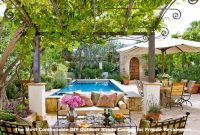
Tensile membrane canopy can be an option for those who want to create a canopy for homes, gardens, cafés, offices, sports areas, and much more. This is because this type offers many distinct advantages, ranging from being lightweight yet strong, having a modern and flexible design, allowing light to pass through, being very durable, to being leak-resistant.

Various Advantages of Tensile Membrane Canopy
Tensile membranes offer many interesting benefits such as the following:
1. Lightweight Yet Strong
This material is lightweight yet strong and is certainly not easily damaged or torn. Because it is lightweight, it naturally helps make the installation process easier and faster.
2. Modern and Highly Flexible Appearance
Another advantage is that it can provide a modern and beautiful appearance, thereby enhancing aesthetic value. Moreover, its design is very flexible, allowing freedom for canopy designers.
3. Can Transmit Light
Another benefit is that it can allow up to 70 percent of natural light to pass through while remaining cool. This keeps the area underneath bright and comfortable during the day, which can certainly reduce electricity usage for lighting.
4. Very Durable
In addition to being strong, tensile membrane canopy are very durable and can last between 10 and 30 years. This is especially beneficial because canopy owners do not need to frequently replace the roof due to rapid deterioration.
5. Leak Resistant
This canopy roof is also leak-resistant, so the area underneath will remain safe even during heavy rain. Vehicles, chairs, and other items underneath will stay safe and protected.
A video from the YouTube channel Canopy World Hubli shows examples of using a canopy with this membrane roof. There are canopies for car parking with a curved rectangular shape, canopies for gardens shaped like an egg, minimalist round canopy roofs, and simple but comfortable square-shaped roofs.
Tensile Canopy VS Canvas Canopy
Canvas canopy and tensile membrane canopy are fundamentally different. Tensile canopies are made from materials such as PVC, ETFE, or PTFE. Their installation relies on high tension for stability. This type also has quite good resistance to UV rays, fire, tearing, and extreme weather. They are lightweight, flexible, and durable for up to 15 to 30 years.
Canvas canopies are made from woven fabrics such as cotton, linen, acrylic, or polyester. Their installation is simpler and does not rely on high tension like tensile membranes. This type generally has a shorter lifespan of 5 to 15 years and requires more intensive maintenance. This is because it is more susceptible to damage from UV rays or mold.
Both types of canopy roofs can certainly be a good choice. However, for those who prioritize strength, long lifespan, and a modern appearance, the tensile membrane is the preferred option. On the other hand, if ease of installation and a more traditional or classic look are more important, the canvas type can be the choice.
Tensile membrane canopy are indeed very attractive and advantageous. Besides their modern appearance, these canopies also have excellent durability, lasting for many years. Therefore, it is no wonder that many people choose to use this type of canopy./dec